



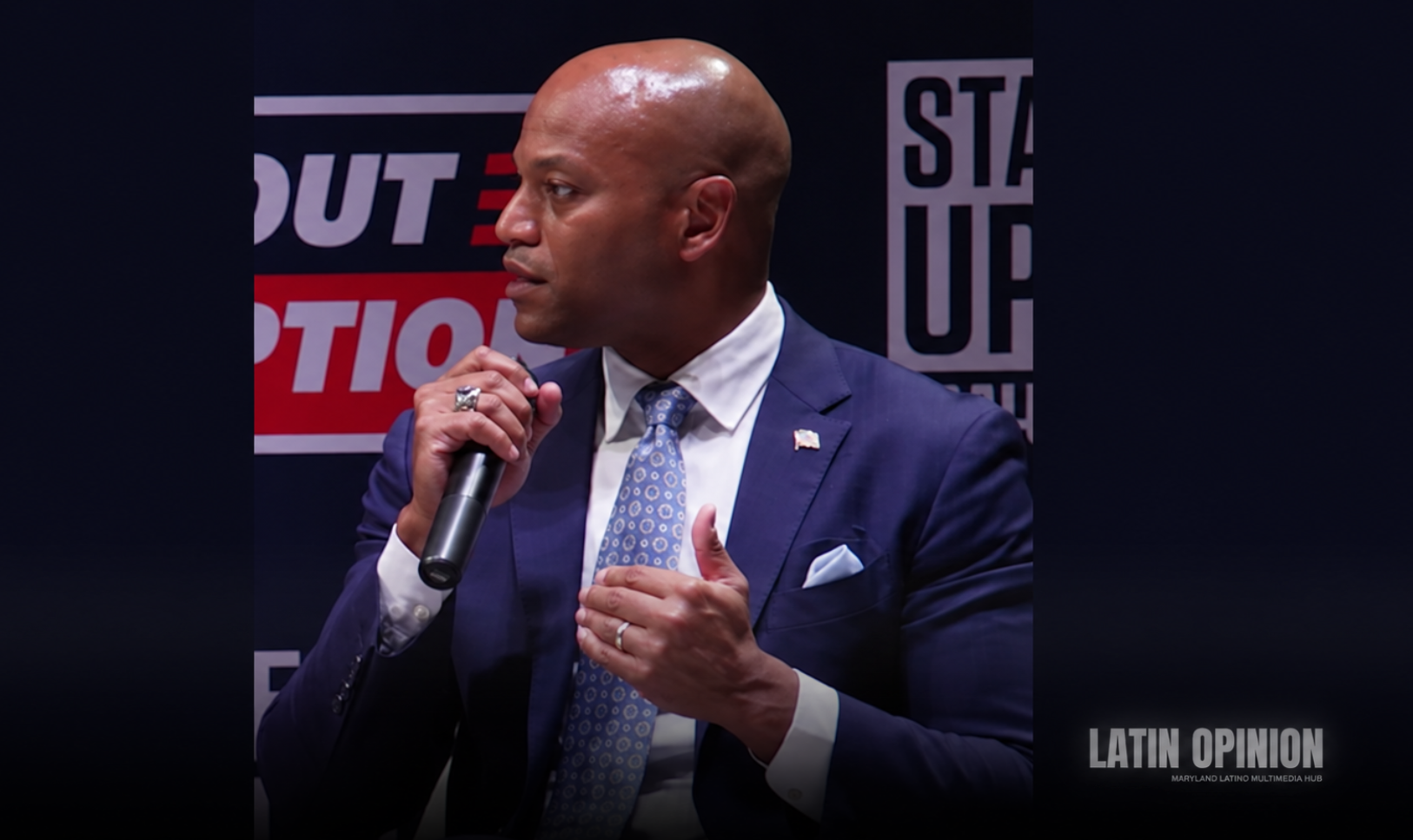
Wes Moore destaca en Baltimore el valor de un gobierno transparente
TRANSPARENCIA Y SERVICIO PÚBLICO
Durante una conversación de una hora en el Reginald F. Lewis Museum, el gobernador compartió algunas de las medidas adoptadas en Maryland para fortalecer la ética, la responsabilidad y la confianza pública.
BALTIMORE — El gobernador Wes Moore participó en Baltimore en una conversación sobre transparencia, ética y responsabilidad gubernamental, celebrada en el Reginald F. Lewis Museum como parte del Kick Out Corruption Tour.
El encuentro, de aproximadamente una hora, fue moderado por Tiffany Muller, presidenta de End Citizens United, y Christina Harvey, directora ejecutiva de Stand Up America. Ambas organizaciones promueven reformas destinadas a fortalecer la transparencia, proteger el derecho al voto y fomentar una mayor participación ciudadana.
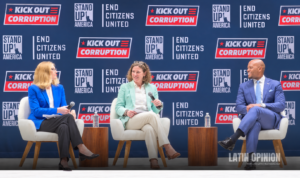
Ante residentes de Maryland, Moore defendió una idea central: la confianza en las instituciones no se construye únicamente mediante discursos, sino con reglas claras y acciones verificables.
El gobernador citó como ejemplo una orden ejecutiva firmada durante su primer día en el cargo, mediante la cual se prohíbe a empleados del Poder Ejecutivo aceptar regalos de personas o compañías que mantengan negocios con sus agencias. La disposición también busca impedir que funcionarios obtengan beneficios personales utilizando información gubernamental no disponible para el público.
Moore mencionó además una legislación aprobada en 2025 que exige a los gobernadores de Maryland colocar determinados intereses financieros en un fideicomiso ciego —blind trust— o desprenderse de inversiones que puedan representar un conflicto con sus responsabilidades oficiales.
Sus ejemplos generaron aplausos sinceros entre los asistentes. El mensaje encontró especial receptividad cuando Moore destacó que quienes ocupan cargos públicos deben estar preparados para rendir cuentas y demostrar que sus decisiones responden al bienestar de los ciudadanos.
La conversación evitó presentar la transparencia como una simple consigna. En cambio, la colocó en el terreno práctico: normas de ética, controles sobre posibles conflictos de interés y una separación clara entre el servicio público y el beneficio privado.
El encuentro dejó una reflexión que trasciende posiciones y afiliaciones: la transparencia no debe pertenecer a ningún partido ni depender de una administración particular. Es una responsabilidad permanente de todo gobierno y una condición indispensable para conservar la confianza de la población.
En Baltimore, Moore presentó el caso de Maryland como un ejemplo de que la integridad pública puede traducirse en medidas concretas. Porque la confianza no se exige: se gana, paso a paso, con acciones que puedan ser vistas, examinadas y comprobadas.
Fotos: Erick A. Oribio / Latin Opinion 360.
Wes Moore Highlights the Value of Transparent Government During Baltimore Conversation
TRANSPARENCY AND PUBLIC SERVICE
During an hour-long conversation at the Reginald F. Lewis Museum, the governor discussed measures Maryland has adopted to strengthen ethics, accountability, and public trust—principles essential to protecting the value of every citizen’s vote.
BALTIMORE — Governor Wes Moore participated in a public conversation in Baltimore focused on government transparency, ethics, and accountability. The event, held at the Reginald F. Lewis Museum, was part of the Kick Out Corruption Tour.
The approximately hour-long discussion was moderated by Tiffany Muller, president of End Citizens United, and Christina Harvey, executive director of Stand Up America. Both organizations advocate for reforms intended to strengthen transparency, protect voting rights, and encourage greater civic participation.
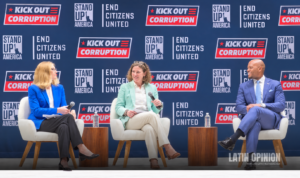
Speaking before Maryland residents, Moore emphasized a central principle: trust in public institutions cannot be built through speeches alone. It must be earned through clear rules, measurable actions, and a demonstrated commitment to accountability.
The governor cited an executive order he signed on his first day in office prohibiting employees of the Executive Branch from accepting gifts from individuals or companies doing business with their agencies. The order also seeks to prevent public officials from obtaining personal benefits through government information that is not available to the public.
Moore also discussed legislation enacted in 2025 requiring Maryland governors to place certain financial interests in a blind trust or divest themselves of investments that could create conflicts with their official responsibilities.
His remarks drew sincere applause from those in attendance. The audience responded particularly strongly when Moore stressed that individuals entrusted with public office must be prepared to answer for their conduct and demonstrate that their decisions serve the public interest.
The conversation presented transparency not as an abstract promise, but as a practical obligation: strong ethical standards, meaningful safeguards against conflicts of interest, and a clear separation between public service and private gain.
The event also underscored the vital connection between transparent government and the power of the ballot. A vote carries its greatest meaning when citizens can trust that elected officials will act ethically, disclose potential conflicts, and remain accountable to the people they serve.
The discussion left the audience with a reflection that transcends political parties and affiliations: transparency should never belong to one party or depend upon a particular administration. It is a permanent responsibility of democratic government—and an essential safeguard of every citizen’s voice and every citizen’s vote.
Photos: Erick A. Oribio / Latin Opinion 360.
Más noticias: Senadora Alsobrooks en el cumpleaños del Fiscal Bates